


Modern Organic Interior Design: A Guide to Natural Materials, Soft Forms & Timeless Simplicity

Modern Organic interior design combines the clean lines and simplicity of modern design with the warmth, texture, and natural beauty of organic materials. The style emphasizes understated furnishings, earthy colors, tactile surfaces, and sculptural forms, creating interiors that feel both contemporary and connected to nature.
Unlike stark minimalism, which can sometimes feel cool or restrained, Modern Organic design introduces warmth through wood, stone, linen, wool, ceramics, and other natural materials. Furniture tends to have simple silhouettes, but curves and irregular forms soften the architecture. Decorative elements are carefully selected, yet the finished space feels inviting rather than sparse.
The result is an interior that feels calm, grounded, and quietly sophisticated. Instead of relying on bold patterns, elaborate ornamentation, or highly contrasting colors, Modern Organic design creates interest through material, proportion, light, and subtle variation. Although the style has become increasingly popular in contemporary interiors, its underlying principles are not entirely new. The relationship between modern architecture, natural materials, and organic forms has influenced designers for decades. Today's interpretation brings these ideas together in a way that responds to a growing appreciation for comfortable, uncluttered spaces and a stronger connection to the natural world.
Modern Organic interiors can be warm and rustic, refined and minimalist, or somewhere between the two. What connects them is a thoughtful balance between simplicity and natural character. The goal is not to make a home look as though it is entirely constructed from raw materials or filled with earthy accessories. Rather, it is to create a cohesive environment where architecture, furniture, materials, and decor work together to produce a sense of ease.

Overview & Origins of Modern Organic Design
Modern Organic design is best understood as a contemporary approach rather than a single historical movement with a precise starting point. It draws inspiration from several established design traditions, including modernism, organic architecture, Scandinavian design, Japanese aesthetics, and mid-century modern interiors. Modernism introduced a focus on simplicity, function, and the removal of unnecessary ornamentation. Designers explored clean lines, open spaces, and materials that expressed their own qualities rather than imitating more decorative finishes.
Organic architecture, associated with figures such as Frank Lloyd Wright, emphasized the relationship between buildings and their surroundings. Architecture, materials, and landscape were intended to work together rather than exist as separate elements. Scandinavian design contributed an emphasis on natural materials, practical furnishings, light-filled spaces, and everyday comfort. Japanese design traditions also influenced many contemporary interiors through an appreciation for simplicity, natural textures, craftsmanship, and the beauty of imperfection.
Modern Organic design brings these ideas into a contemporary residential setting. It pairs modern architecture and streamlined furniture with materials that have warmth, texture, and visible character. A room might combine smooth plaster walls, pale oak flooring, a curved upholstered sofa, a solid wood coffee table, and handmade ceramic accessories. The forms are simple, but the variation in materials prevents the space from feeling sterile.
The style also reflects a broader interest in creating homes that feel restorative. In an increasingly busy visual environment, many people are drawn to interiors that offer a sense of calm without sacrificing personality or sophistication.
Natural materials, restrained palettes, comfortable furnishings, and fewer but more meaningful objects all contribute to this atmosphere. Modern Organic design is therefore not simply about using wood, stone, or neutral colors. It is about the relationship between these elements and the way they influence the experience of a space.

Most Common Characteristics of Modern Organic Design
Modern Organic interiors share several defining characteristics, although the balance between modern simplicity and natural warmth can vary considerably.
A Balance of Modern and Natural Elements
The central principle of Modern Organic design is the combination of clean, contemporary forms with organic materials and shapes. Modern elements provide structure and clarity. Natural materials introduce texture, variation, and warmth. For example, a streamlined sofa may sit beside a rough-hewn wood coffee table. Smooth walls may contrast with a stone accent or a textured wool rug. A sculptural pendant may hang above a simple dining table made from natural timber. These contrasts create interest without requiring elaborate decoration.
Organic Shapes and Soft Curves
Although Modern Organic interiors often have clean architectural lines, furniture and accessories frequently incorporate curves and irregular forms. Rounded sofas, curved lounge chairs, oval coffee tables, sculptural mirrors, and organically shaped ceramics can soften the geometry of a room. These forms help create a more relaxed atmosphere, particularly when paired with straight-lined architecture or simple cabinetry and furniture. Curves should feel intentional rather than appear everywhere. A few well-chosen pieces can provide enough variation to balance the room.
Natural Materials
Natural materials are fundamental to the style. Wood, stone, linen, wool, cotton, leather, clay, and other tactile materials help create the layered quality that defines Modern Organic interiors. The emphasis is on materials that reveal their inherent character. Visible wood grain, subtle stone variation, woven fibers, and handmade surfaces introduce detail without relying on additional decoration. These materials also tend to age in ways that can add character over time.

A Restrained Approach to Decoration
Modern Organic design generally avoids excessive accessories and unnecessary ornamentation. Instead of filling shelves and tabletops with objects, the style favors a smaller selection of pieces with strong forms, interesting textures, or personal meaning. This restraint allows architectural features and materials to become more noticeable. A sculptural vase, a piece of art, or a distinctive wood table can make a greater impression when it has space around it.
A Strong Connection to Nature
The natural world influences Modern Organic design through both materials and atmosphere. Earthy colors, natural light, plants, organic forms, and tactile surfaces all help create this relationship. Where possible, views of trees, gardens, or surrounding landscapes become part of the interior composition. When those views are unavailable, greenery, natural materials, and nature-inspired artwork can still provide a connection to the outdoors.
Comfort and Livability
Modern Organic interiors are not intended to feel like galleries or showrooms. Furniture should be comfortable, textiles should invite touch, and the layout should support everyday routines. A neutral room can still feel deeply welcoming when it includes a comfortable sofa, soft lighting, layered rugs, and natural materials. This emphasis on livability distinguishes Modern Organic design from interpretations of minimalism that prioritize visual restraint above all else.

Colors & Textures
Color and texture work together to establish the calm, natural atmosphere of Modern Organic interiors. Because the style often relies on a restrained palette, materials and subtle variations in tone become especially important.
Warm Neutrals
Cream, ivory, beige, taupe, warm gray, and soft white are common foundational colors. These shades provide a quiet backdrop that allows wood, stone, textiles, and sculptural furniture to stand out. Warm whites and creamy neutrals are particularly effective because they soften the clean lines of modern architecture. They also work well with natural materials that have varied undertones. A palette built from several related neutrals often feels richer than a room finished in a single shade.
Earthy Accent Colors
Modern Organic interiors can incorporate muted colors inspired by the landscape. Terracotta, clay, sand, olive, sage, moss green, muted brown, and soft charcoal are all useful choices. These shades can be introduced through artwork, upholstery, cushions, ceramics, rugs, or other accessories. The colors generally feel grounded rather than highly saturated. Their purpose is to add depth while maintaining the calm quality of the overall palette.
Natural Wood Tones
Wood is one of the most important materials in Modern Organic interiors. Pale oak and ash can create a light, contemporary atmosphere, while walnut and other deeper woods add richness and contrast. The grain itself becomes part of the design. Rather than covering every surface with uniform finishes, Modern Organic spaces often allow the natural variation of the wood to remain visible. Mixing wood tones can also work well. A pale oak table may complement darker wood accents, provided the finishes feel connected through their undertones or overall character.
Stone, Clay, and Mineral Surfaces
Stone and mineral-inspired finishes introduce a different kind of texture. Travertine, limestone, marble, and other natural stones can contribute subtle variation and a sense of permanence. Clay, ceramic, and plaster finishes add depth through their irregular surfaces and soft tonal changes. These materials can be used as focal points or incorporated through smaller pieces such as vases, bowls, lamps, and decorative objects. Their natural variation is part of the appeal. The goal is not necessarily to make every surface perfectly uniform.
Tactile Textiles
Textiles provide softness and comfort, balancing the harder surfaces often found in modern interiors. Linen curtains, wool rugs, cotton upholstery, textured throws, and woven cushions all work well. The emphasis is on how materials feel as much as how they look. A neutral sofa can become far more interesting when its upholstery has visible texture, while a simple rug can add depth through its weave rather than a strong pattern.
Layering Without Clutter
Because the color palette is often restrained, texture is one of the primary ways to create visual interest. Pair smooth plaster walls with a nubby wool rug, a linen sofa with a solid wood table, or a stone accessory with handmade ceramics. The materials should complement one another without all having the same finish or texture. This variation keeps a room from feeling flat while preserving the simplicity that defines the style.

Furniture & Decor
Furniture and decor establish the relationship between modern simplicity and organic character. The most successful Modern Organic interiors combine clean silhouettes with materials and shapes that make the room feel warm and personal.
Choose Simple, Sculptural Furniture
Furniture often has uncomplicated forms, but the silhouettes may be more expressive than those found in strict minimalism. A rounded sofa, a curved accent chair, a solid wood dining table, or an asymmetrical coffee table can function as both a practical piece and a sculptural element. The furniture does not need to be dramatic. Subtle variations in proportion, shape, and material are often enough. Choose pieces that feel visually balanced within the room. An oversized sculptural chair may be effective in a spacious living area, while a smaller, simpler form may suit a compact space better.

Combine Clean Lines With Organic Forms
Contrast is an important part of the furniture selection process. If the architecture is very linear, curved furniture can soften the space. If a room already contains rounded forms, a straight-lined sofa or rectangular table can provide structure. This balance prevents the interior from becoming too rigid or overly soft. For example, a contemporary sofa with a clean profile can be paired with a rounded coffee table and an irregular ceramic vase. The combination creates visual interest without requiring a large number of accessories.
Embrace Natural Wood Furniture
Wood furniture is particularly effective because it combines practicality with natural beauty. A solid wood dining table, simple console, low credenza, or sculptural side table can introduce warmth into a contemporary interior. Pieces with visible grain, understated joinery, and natural finishes often work better than highly ornate furniture. However, Modern Organic design is not limited to rustic or handmade-looking pieces. A refined walnut cabinet or a contemporary oak table can contribute just as effectively.
Select Decor Carefully
Accessories should feel purposeful and contribute something to the room. Handmade ceramics, sculptural bowls, natural stone objects, books, framed artwork, and thoughtfully selected decorative pieces can all work well. Instead of filling every available surface, group a few related objects and leave enough space around them to be appreciated. This doesn't mean the room must be devoid of personal belongings. A collection of meaningful objects can fit beautifully within the style, provided it is displayed in a way that preserves the room's overall sense of calm.
Introduce Artwork With Natural Character
Artwork can add color and personality without disrupting a restrained palette. Abstract paintings, organic shapes, landscape photography, botanical imagery, and pieces with visible texture can all complement Modern Organic interiors. The artwork does not need to depict nature literally. A composition with soft forms, earthy colors, or an interesting surface may contribute to the same atmosphere. Scale matters, too. A single substantial piece can establish a focal point, while several smaller works may create a more collected feeling.

Add Plants and Greenery
Plants reinforce the relationship between the interior and the natural world. A large plant can add height and movement beside a sofa, while smaller plants can be placed on shelves or tables. Branches in a simple vessel can introduce an organic silhouette without requiring a full arrangement. Choose plants that suit the available light and the home's maintenance needs. Greenery should feel integrated into the space rather than used as a decorative requirement. Even a few carefully placed plants can provide enough natural variation.
Lighting
Lighting is essential to the atmosphere of Modern Organic interiors. It helps emphasize material texture, soften architectural lines, and create a comfortable environment throughout the day.
Maximize Natural Light
Natural light helps bring out the subtle variation in wood, stone, plaster, and textiles. Where possible, keep window treatments simple and allow daylight to enter the room. Linen curtains and understated shades can provide privacy without making the windows feel visually heavy. In rooms with limited natural light, warm wall colors and carefully positioned mirrors can help create a brighter impression.
Choose Sculptural, Understated Fixtures
Modern Organic lighting often combines contemporary forms with natural or tactile materials. Fixtures made from ceramic, linen, glass, wood, or textured metal can reinforce the style. Rounded pendants, curved floor lamps, and simple wall sconces can introduce organic forms without excessive ornamentation. A light fixture may become a focal point, but it should still feel connected to the room's overall composition.
Layer Lighting
Relying on a single ceiling fixture can make a room feel flat, particularly when the palette and furnishings are understated. Instead, combine ambient lighting with task and accent lighting. Table lamps can create intimate pools of light, floor lamps can support reading areas, and wall lights can highlight artwork or architectural details.
This approach gives the room flexibility and allows its atmosphere to change throughout the day.
Use Warm, Comfortable Illumination
Warm lighting complements natural materials and soft neutral colors. It can emphasize the grain of wood, the texture of linen, and the variation in stone or plaster. Cooler, overly bright lighting may make these materials appear harsher. Consider the way the room will be used after dark. Living spaces should feel inviting, reading areas should have adequate task lighting, and accent lighting should add depth rather than create unnecessary glare.

Creating Depth in a Neutral Interior
One of the biggest challenges in Modern Organic design is creating enough visual interest when the color palette is relatively restrained. Without thoughtful variation, a room filled with beige, cream, and pale wood can feel flat or overly coordinated. The solution is to think beyond color.
Begin with materials that have different surface qualities. Smooth wood, textured upholstery, natural stone, woven fibers, and handmade ceramics can create contrast even when their colors are similar. Next, vary the shapes in the room. Combine straight-lined architecture with rounded furniture, irregular accessories, or sculptural lighting. These forms create movement without requiring bold colors or patterns.
Scale also plays an important role. A substantial coffee table can anchor a room, while a delicate lamp or small ceramic object introduces a different visual weight. Layering textiles adds another dimension. A textured rug, soft curtains, and a casually draped throw can make the space feel inviting while preserving its simplicity.
Finally, use light to reveal the materials. Natural daylight can bring out subtle grain and surface variation, while carefully placed lamps create shadows that emphasize form and texture. The aim is not to add as many layers as possible. It is to select a variety of elements that work together, allowing each material and form to contribute to the overall composition. A successful Modern Organic room feels rich without being busy and restrained without feeling empty.

How to Keep Modern Organic Design From Feeling Too Minimal or Rustic
Modern Organic design can move in different directions depending on the balance between contemporary forms and natural materials. When the modern elements dominate too strongly, the interior may feel cold or overly minimal. When rustic materials dominate, the room may begin to resemble a traditional country or farmhouse interior. Maintaining the right balance is therefore essential.
To avoid an overly minimal look, prioritize comfort. Introduce upholstered seating, layered textiles, warm lighting, and objects with tactile qualities. A simple room can still feel welcoming when the materials are soft and the furniture is inviting.
To prevent the space from becoming too rustic, choose natural materials with some restraint. Reclaimed wood, rough stone, and heavily textured surfaces can add character, but they should be balanced with refined furniture and cleaner architectural details. Color can help, too. Warm neutrals and earthy accents create softness without requiring a large number of decorative elements.
It is also important to avoid making every object organic in shape. Curves and irregular forms are effective because they contrast with simpler lines. If every piece is sculptural, the room may lose its sense of structure. Finally, don't confuse natural materials with a requirement that everything must be handmade, imperfect, or raw. Modern Organic interiors can incorporate polished stone, refined cabinetry, contemporary lighting, and carefully finished furniture. The goal is not to eliminate sophistication in favor of rustic charm. It is to combine contemporary clarity with the warmth and variation of natural materials.
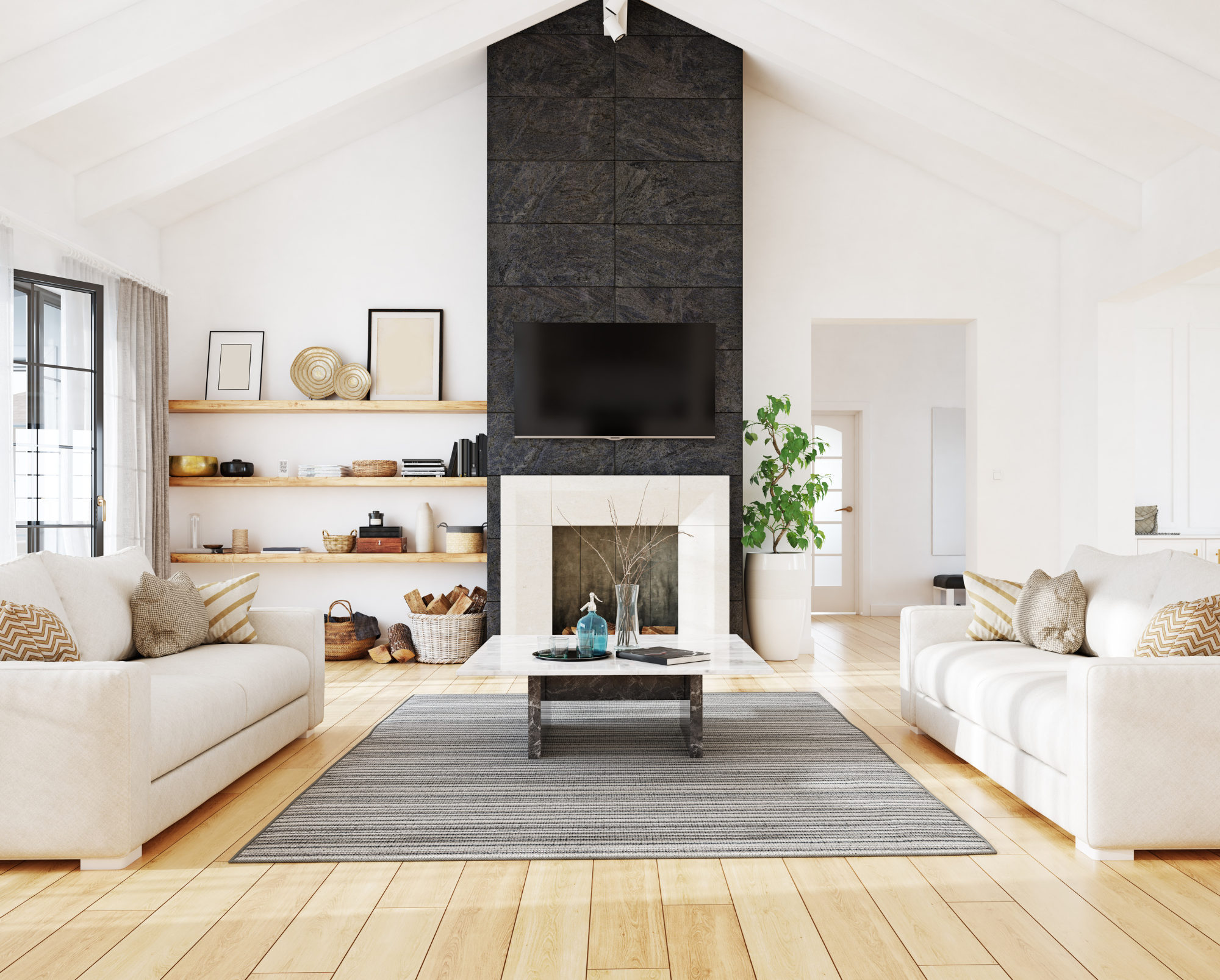
Bringing It All Together: How to Implement Modern Organic Design
Creating a Modern Organic interior begins with establishing a clear foundation and introducing natural character in deliberate layers. Start by evaluating the room's architecture, natural light, and existing materials. Identify the elements that already contribute to the desired atmosphere, such as wood flooring, simple architectural lines, large windows, or a neutral backdrop.
Next, establish a warm, restrained color palette. Cream, beige, taupe, soft white, and earthy shades provide a flexible foundation. You can introduce olive, terracotta, muted brown, or charcoal through smaller elements when additional depth is needed. Choose furniture with simple silhouettes and comfortable proportions. A streamlined sofa, solid wood table, sculptural lounge chair, or understated credenza can establish the room's structure.
Then introduce organic forms. A rounded coffee table, curved chair, sculptural lamp, or handmade ceramic piece can soften the geometry of the room. Select a few distinctive forms rather than making every element a focal point.
Layer in natural materials and textures. Combine wood, stone, linen, wool, cotton, and ceramics in ways that create contrast. A textured rug, linen curtains, and softly upholstered seating can make the room feel inviting without adding visual clutter. Consider lighting as part of the overall composition. Preserve natural light where possible, then introduce table lamps, floor lamps, and accent lighting to emphasize materials and create a comfortable atmosphere after dark.

Finally, personalize the room with artwork, plants, books, and meaningful objects. Modern Organic design favors restraint, but it should still reflect the people who live in the home. As you finish the space, assess the balance between simplicity and warmth. Is there enough texture to make the room interesting? Are the furniture proportions appropriate? Do the materials complement one another? Is the space comfortable to use, not simply attractive to look at?
These questions will help guide decisions more effectively than following a rigid list of design rules. Ultimately, Modern Organic design is about creating a home that feels both contemporary and connected to nature. It combines the clarity of modern forms with the warmth of natural materials, allowing texture, proportion, and light to become the primary sources of visual interest.
Its appeal lies in its restraint, but also in its comfort. A well-designed Modern Organic interior can feel refined without being formal, minimal without being empty, and natural without becoming rustic. Whether you embrace the style throughout your home or incorporate a few of its principles into an existing interior, the most successful approach is to focus on balance. Choose materials that feel good to live with, furnishings that support everyday life, and decorative elements that contribute something meaningful. The result is a space that feels grounded, calm, and thoughtfully composed—a modern home that draws its character from the natural world rather than relying on excess decoration.


